Does Pressure Cleaning Increase Kerb Appeal in Ku-ring-gai?
Short answer: yes, and often more than most homeowners expect. Ku-ring-gai is known for leafy streets, heritage homes, federation-style residences, large blocks and mature gardens. These features look spectacular when well maintained, but the same tree canopy and humid conditions that give the area its character also encourage moss, lichen, algae and mould on exterior surfaces. Pressure cleaning is one of the most cost-effective ways to reverse that build-up and present your property at its best.

Why Kerb Appeal Matters in Ku-ring-gai
Suburbs such as Pymble, Wahroonga, Killara, Gordon, Lindfield, Turramurra and St Ives have a competitive property market where presentation counts. Buyers, neighbours and passers-by form an impression of a home within seconds, usually from the street. Stained driveways, green-streaked paths and grimy walls can suggest neglect, even when the house itself is in excellent condition.
Clean, bright exterior surfaces signal that a property is cared for. For owners planning to sell, this can influence the number of enquiries at open homes and the perceived condition of the property. For owners staying put, it simply makes the home more enjoyable to arrive at each day.
What Causes Exterior Grime in the North Shore?
The Upper North Shore has a particular set of conditions that make exterior surfaces dirty quickly:
- Dense tree canopy: Shade keeps surfaces damp for longer, which allows algae, moss and lichen to thrive on driveways, pavers and retaining walls.
- Leaf litter and tannins: Fallen leaves from eucalypts, liquidambars and other trees leave tannin stains on concrete, sandstone and paving.
- Humidity and rainfall: Sydney's moist climate supports mould growth on rendered walls, fences and roofs.
- Sandstone and older masonry: Porous materials common in older homes hold moisture and organic growth.
- Traffic and airborne pollution: Dust, oil drips and brake residue accumulate on driveways and garage entrances.
Which Areas Make the Biggest Visual Difference?
Driveways and Paths
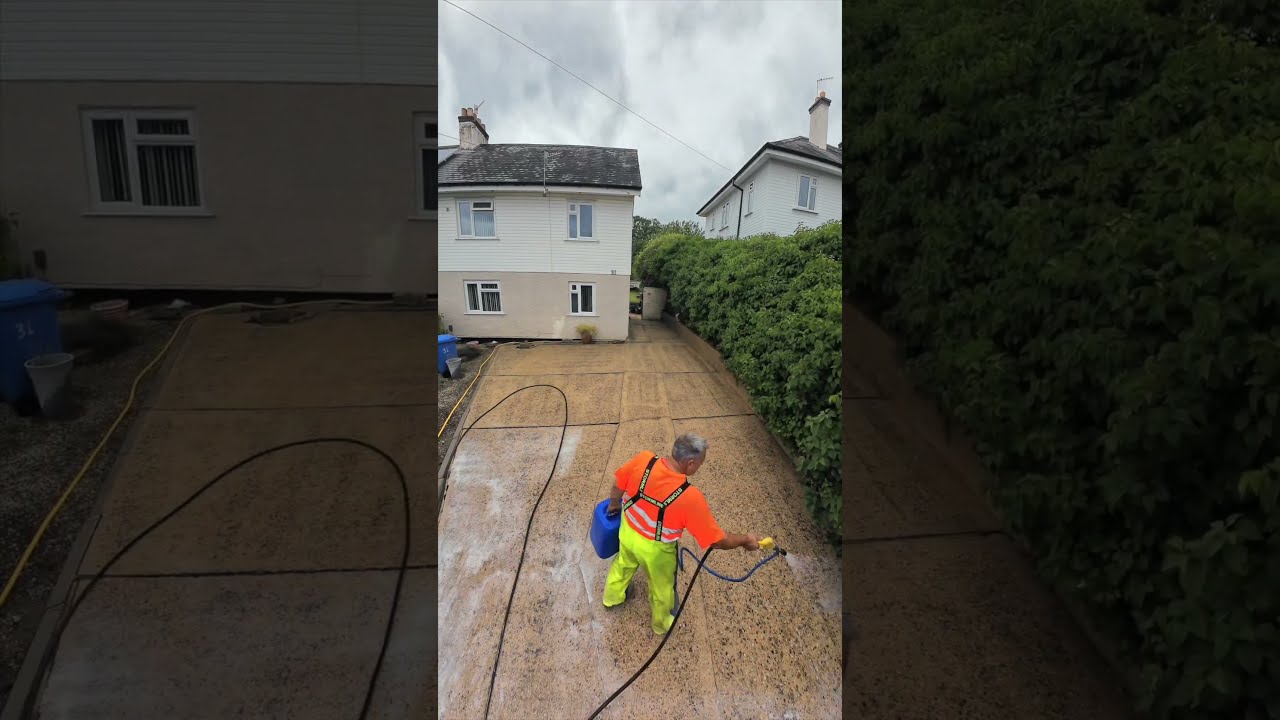
The driveway is often the most prominent feature from the street. Removing oil stains, black mould and general grime can transform concrete, exposed aggregate and stencilled surfaces. Entry paths and front steps are also high-impact areas because visitors walk across them.
Paving, Pavers and Sandstone
Slippery green growth on paving not only looks poor but also creates a slip hazard, particularly in shaded areas. Cleaning restores the original colour of the material and makes patterns and detailing visible again. Sandstone needs particular care, as https://telegra.ph/Cleaning-Painted-Surfaces-Without-Stripping-the-Finish-11-20 excessive pressure can damage the surface, so lower pressure or soft washing techniques are often more suitable.
Exterior Walls and Cladding
Brick, render, weatherboard and cladding all collect dirt and mould. Cleaning walls can make paint colours look fresher and can make a house look recently painted, without the cost of repainting. In many cases it is worth cleaning before painting as well, since paint adheres better to a clean surface.
Roofs
Roofs that are streaked with black algae or covered in lichen age a home visually. Roof cleaning is a specialised task, and gentle methods are generally preferred so tiles are not damaged. Always use a qualified, insured operator who works safely at height.
Fences, Retaining Walls and Outdoor Areas
Fences, garden walls, decks, pergolas and outdoor entertaining areas frame the front of the property. Cleaning them creates a cohesive, well-kept look across the whole frontage.
Pressure Cleaning vs Soft Washing
Not every surface should be blasted with high pressure. A good contractor will match the method to the material:
- High-pressure cleaning: Suited to hardy surfaces such as concrete driveways, some paving and heavy-duty areas.
- Soft washing: Uses low pressure combined with appropriate cleaning solutions, ideal for roofs, painted surfaces, render, timber and delicate stone.
This distinction matters in Ku-ring-gai, where many homes feature older masonry, heritage details and delicate finishes. Using the wrong pressure can etch concrete, erode mortar, strip paint or force water behind cladding.
Does It Add Value to Your Property?
Pressure cleaning does not change a property's structure, but it does influence how the property is perceived. Real estate professionals commonly recommend exterior cleaning as part of pre-sale preparation because it is inexpensive relative to other renovations and delivers an immediate visual improvement. When a home is photographed for online listings, clean driveways, paths and walls show up clearly and help the property stand out in a crowded market.
It also supports long-term maintenance. Removing moss, lichen and mould before they penetrate surfaces can help extend the life of concrete, paving, paint and roofing, avoiding larger repair bills later.
Safety and Practical Benefits
Kerb appeal is not only about looks. Algae and moss make surfaces slippery, especially after rain, which is a real concern on sloping driveways, steps and shaded paths common across the North Shore. Cleaning reduces slip risk for family, visitors and delivery drivers. It can also remove allergens such as mould spores from areas around entrances and outdoor living spaces.
Environmental and Regulatory Considerations
Ku-ring-gai backs onto bushland, creeks and national park areas, so runoff matters. Dirty wash water, detergents and chemicals should not enter stormwater drains, which flow into local waterways. Responsible operators in 2026 typically use wastewater capture or containment methods, biodegradable cleaning products where suitable, and appropriate disposal practices. Residents in heritage conservation areas should also check whether any restrictions apply to cleaning or treating heritage-listed materials, and strata or body corporate rules may apply for townhouses and apartments.
How Often Should You Pressure Clean?
The right frequency depends on how shaded and exposed your property is. As a general guide:
- Heavily shaded or tree-covered properties: Every 6 to 12 months for driveways, paths and paving.
- Moderately exposed properties: Every 12 to 18 months for most hard surfaces.
- Walls and roofs: Every 2 to 3 years, or when visible discolouration appears.
- Before selling or painting: Ideally 2 to 4 weeks before listing photos or the start of painting work.
Tips for Getting the Best Results
- Choose a local provider who understands North Shore surfaces, including sandstone, exposed aggregate and older render.
- Ask whether they use soft washing for delicate areas and how they manage wastewater.
- Confirm they carry public liability insurance, especially for roof work.
- Consider sealing driveways, pavers or sandstone after cleaning to slow re-growth and protect against stains.
- Trim overhanging branches and clear gutters to reduce future build-up.
- Clean the whole frontage at once so surfaces look consistent, rather than leaving patchy contrast between clean and dirty areas.
Common Mistakes to Avoid
DIY pressure cleaning with hire equipment can produce striping, etched concrete, damaged grout and water intrusion. Using too much pressure on soft materials or standing too close to a surface are frequent causes. Bleach-heavy mixes can also harm plants, which is a significant concern in gardens as established as those across Ku-ring-gai. Professional operators have the equipment, training and experience to avoid these issues and deliver an even finish.
The Verdict
For Ku-ring-gai homeowners, pressure cleaning is one of the simplest and most affordable ways to lift kerb appeal. It restores the colour and texture of driveways, paths, walls and roofs, makes the home look better maintained, improves safety and helps protect surfaces for years to come. Whether you are preparing to sell in 2026, getting ready for painting, or simply want your home to look its best, a professional clean, using the right method for each surface, can make a noticeable difference from the street.

North Shore Pressure Cleaning Pros
(02) 9538 7942